Hurricane & Storm Damage Roof Inspections in Southwest Florida
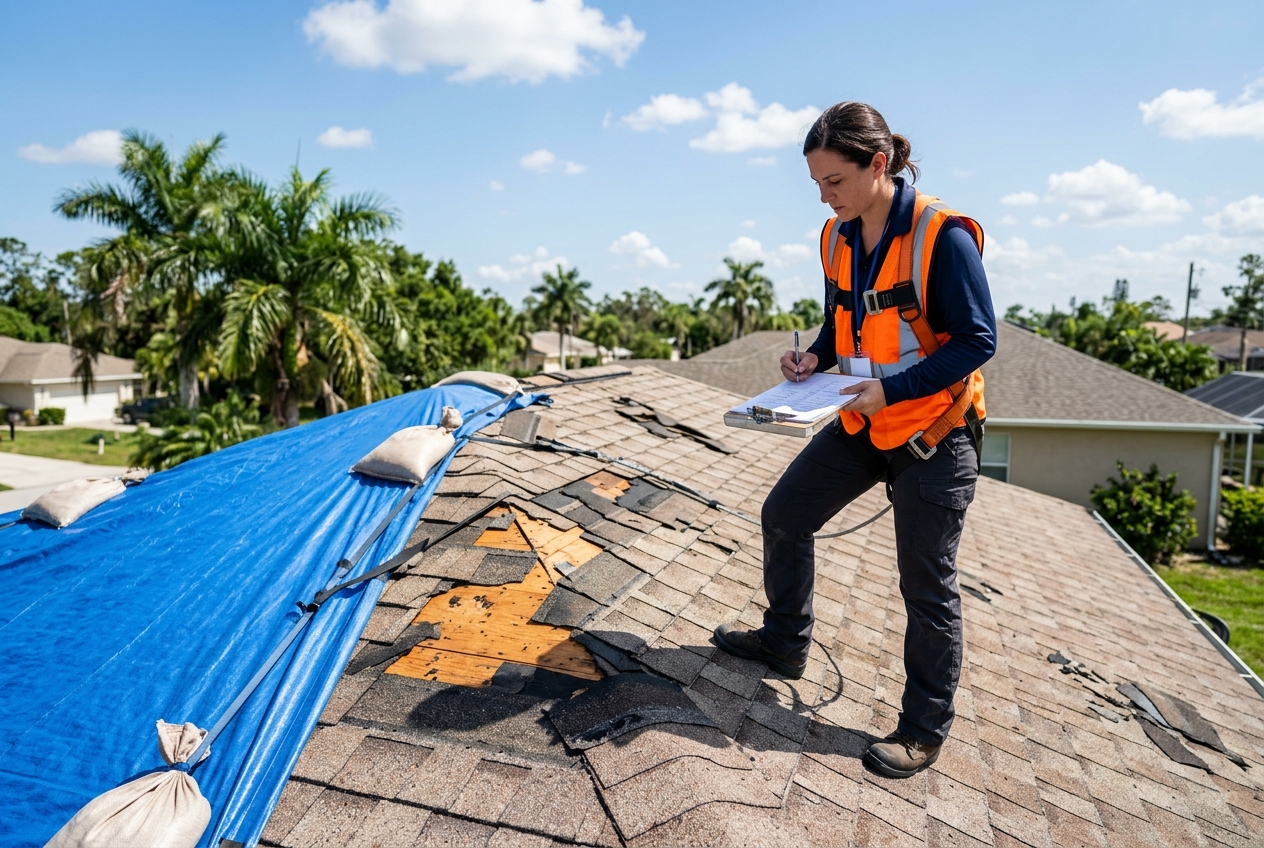
After a hurricane or severe storm, your roof may look intact from the ground but sustain hidden damage that leads to catastrophic water intrusion weeks or months later. Hurricane Ian (2022) proved that even roofs that survived the storm suffered micro-fractures, lifted flashing, and compromised sealants that allowed progressive moisture damage. Suncoast Roof Quotes connects Southwest Florida homeowners with DBPR-licensed contractors who perform comprehensive storm damage inspections with full photographic documentation for insurance claims.
Why Do You Need a Storm Damage Inspection After a Hurricane?
Florida's hurricane season runs from June through November, and Southwest Florida sits directly in the path of many storms. Even Category 1 and 2 hurricanes can cause significant roof damage that's invisible from the ground. Key reasons to schedule a post-storm inspection:
- Hidden damage detection: Micro-fractures in flashing, partially lifted shingles, and compromised sealants allow slow water intrusion that causes mold and rot.
- Insurance claim documentation: Most policies require prompt reporting of storm damage. Professional documentation strengthens your claim.
- Prevent cascading damage: A small leak today can become a $50,000 mold remediation project in 3 months.
- Peace of mind: Even if no damage is found, the inspection report protects against future claim denials.
What Does a Hurricane Damage Roof Inspection Include?
A comprehensive storm damage inspection covers:
- Exterior roof assessment: Visual inspection of all roof surfaces for lifted, missing, or cracked shingles and tiles.
- Flashing inspection: Check all flashing around chimneys, skylights, vents, and roof transitions for cracks or separation.
- Pipe boot examination: Inspect plumbing vent boots for UV degradation and seal failure.
- Ridge cap inspection: Document any lifted or missing ridge caps, a common hurricane failure point.
- Attic inspection: Check attic for water stains, wet insulation, and daylight penetration through the deck.
- Gutter and downspout check: Ensure gutters aren't clogged with granules from storm-damaged shingles.
- Photographic documentation: Detailed photos of all findings with written report for insurance submission.
How Do SWFL Hurricanes Affect Different Roofing Materials?
Asphalt Shingles
Hurricane winds lift shingle tabs, breaking the seal strip. Once the seal is broken, subsequent storms easily remove the shingle. UV-degraded shingles are more brittle and prone to cracking under wind flex. Granule loss from wind-driven debris reduces UV protection.
Concrete & Clay Tile
Tiles crack from wind-driven debris impact and from the flexing of the roof deck under wind pressure. Underlayment beneath intact tiles may be compromised even when tiles look fine. Common in Sarasota and Lakewood Ranch neighborhoods.
Metal Roofing
Standing seam and 5V-crimp metal panels can dent from hail and debris. Panel clips can loosen under sustained wind loads. Fastener gaskets may degrade, creating leak points.
What SWFL Areas Are Most Vulnerable to Hurricane Roof Damage?
Barrier island properties face the most extreme conditions:
- Longboat Key — Exposure D, 150-160 mph wind speeds, direct Gulf exposure
- Venice — Coastal Exposure C/D, historic homes with older roofs
- Englewood — Gulf front, salt spray acceleration of damage
- Punta Gorda — Direct hit from Hurricane Ian, many roofs at end of life
- Sarasota — Mix of old and new construction, varying wind zones
Also serving Nokomis, Lakewood Ranch, and Parrish.
Frequently Asked Questions
When should I get a storm damage roof inspection after a hurricane?
Schedule an inspection as soon as possible after the storm passes. Hidden damage can allow water intrusion that leads to mold within 48 hours. Early documentation is critical for insurance claims.
What does a hurricane damage roof inspection include?
Visual assessment of all roof surfaces, checking for lifted or missing shingles, inspecting flashing and pipe boots, documenting ridge cap damage, attic inspection for water intrusion, and photographic documentation for insurance claims.
Will my insurance cover a hurricane damage roof inspection?
Most homeowners policies cover storm damage inspections as part of a claim. If damage is found, the inspection cost is typically included in the claim.
Can hidden roof damage cause problems months after a hurricane?
Yes. Micro-fractures, partially lifted shingles, and compromised sealants allow slow water intrusion that causes wood rot, mold, and insulation degradation over months. By the time visible stains appear, damage may be extensive.
Request Your Storm Damage Roof Inspection
Connect with a DBPR-certified roofing contractor in Sarasota, Manatee, or Charlotte County within minutes.
By submitting, you agree to our Privacy Policy and consent to be contacted regarding your request.